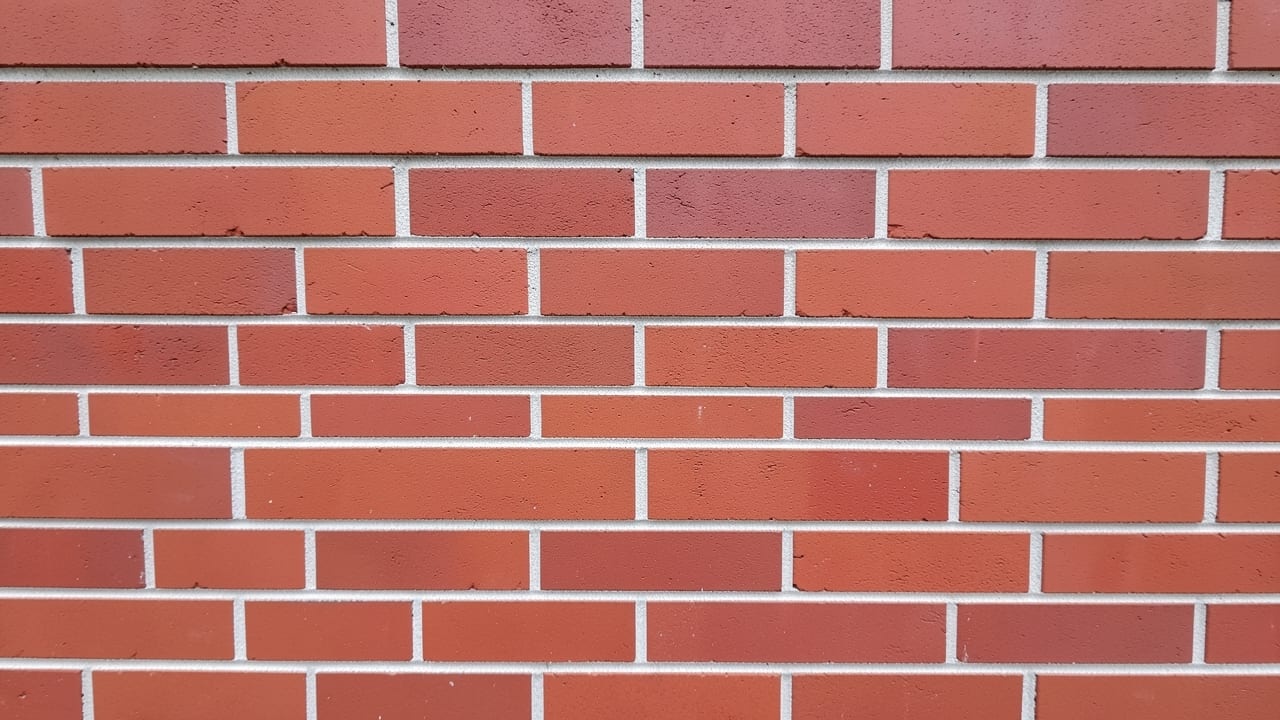
Brick Cleaning
Professional pressure washing to remove dirt, grime, and stains from brick surfaces.
Brick cleaning in Pearland, TX, revitalizes weathered brickwork by removing dirt, mold, and mineral deposits without damaging the masonry. This targeted process restores the natural color and texture of bricks, walkways, and patios while addressing common issues like efflorescence and algae buildup.
Local climate and moisture levels make regular maintenance especially important for maintaining curb appeal and structural integrity.
We also handle School Building Washing and Medical Clinic Exterior Washing for Pearland properties.
When to clean brickwork
Brick cleaning is needed when dirt, algae, or efflorescence obscure the material’s original appearance. A chalky white haze (efflorescence) or dark, uneven staining often signals mineral deposits or organic growth.
These issues worsen in Pearland’s humid climate, where moisture accelerates buildup. Cleaning also helps identify hidden mortar damage, which may require repointing to prevent further erosion.
Dark streaks below rooflines or downspouts indicate concentrated runoff carrying dirt, while greenish films on shaded walls are usually algae. If bricks feel rough or mortar crumbles under gentle pressure, cleaning should be paired with structural repairs to avoid accelerating wear.
Addressing these signs early helps the finish last longer and prevents costly repairs down the line.
Signs Your Brickwork Needs Cleaning
- White, chalky patches (efflorescence) spreading across walls or patios.
- Dark, uneven staining worse on shaded or damp sections of brickwork.
- Mortar joints that appear recessed, crumbly, or discolored compared to the bricks.
- Visible algae or mold (greenish/black film) on brick surfaces, especially near ground level.
- Recurring stains in the same spots after previous cleaning attempts.
How cleaning protects your brickwork
Pressure washing brickwork restores its appearance while preserving its structural integrity. Unlike harsh scrubbing or blasting, this method uses controlled pressure and masonry-safe solutions to lift contaminants without damaging the surface.
The process also includes inspecting mortar joints, which can weaken over time and require repointing if erosion is already underway.
After cleaning, a vapor-permeable sealer can be applied to reduce future moisture absorption, helping the finish last longer. Redirecting downspouts or adjusting landscaping to minimize water runoff further prevents recurring stains. These steps address both the immediate issue and long-term maintenance needs specific to Pearland’s climate.
What affects pricing and timing
The scope of the job, brick condition, and access to the area all influence pricing. Larger surfaces or heavily stained brickwork may require more time and specialized techniques. Mortar condition checks and repairs, if needed, can also impact costs.
Seasonal factors, like avoiding cleaning right before cold snaps, may extend the timeline to allow proper drying and prevent freeze-thaw damage.
Cleaning methods vary by surface type—brick, stone, or mortar—so a detailed inspection ensures the right pressure and solution are used. Hidden damage, such as cracked paint or loose mortar, may surface during cleaning and could require additional work.
Always confirm whether these are included in the initial quote to avoid unexpected costs.
| Factor | Impact on Pricing/Timing |
|---|---|
| Surface area and accessibility | Larger or harder-to-reach areas increase labor and equipment time. |
| Brick and mortar condition | Damaged or recessed mortar may require pre- or post-cleaning repairs. |
| Stain severity (efflorescence, algae, mold) | Heavily stained surfaces need longer treatment and stronger solutions. |
| Seasonal timing (avoiding freeze-thaw risk) | Delaying work before cold weather prevents moisture-related damage. |
| Additional services (sealing, repointing) | Often billed separately unless specified in the quote. |
How brick cleaning works
This process carefully removes contaminants while protecting the masonry’s structure.
- 1Inspect and assess
Mortar joints and brick surfaces are checked for damage or erosion. Recessed or crumbling mortar is noted to adjust pressure settings and avoid further harm.
- 2Apply masonry-safe solution
A targeted cleaner treats efflorescence, algae, and staining without aggressive scrubbing, which can pit softer brick or stone.
- 3Clean with controlled pressure
Low-to-medium pressure is used across the brick face, not directly into joints, to lift dirt while preserving texture and mortar integrity.
- 4Rinse and re-inspect
A final rinse removes loosened residue, and mortar joints are checked again for hidden damage that may need repointing.
- 5Apply sealer (optional)
A vapor-permeable sealer can be added to reduce future moisture absorption, helping the finish last longer in Pearland’s climate.
Frequently asked questions
Will pressure washing damage my brick or mortar?
When done correctly, it restores brickwork without harm. However, direct pressure into weak mortar or overly aggressive settings can cause erosion. A pre-job inspection ensures the right pressure and method are used for your specific materials.
How do I know if my brick has efflorescence or just dirt?
Efflorescence appears as a white, chalky haze that often spreads unevenly, while dirt is usually darker and more uniform. If the white residue feels powdery when touched, it’s likely efflorescence, which requires a masonry-safe solution to treat properly.
Can I clean my brick myself, or should I hire a professional?
DIY methods like scrubbing or high-pressure blasting can damage softer brick or mortar. Professionals use controlled pressure and solutions tailored to masonry, reducing the risk of pitting or erosion while addressing hidden issues like recessed joints.
Will sealing my brick after cleaning help it stay cleaner longer?
Yes, a vapor-permeable sealer reduces moisture absorption, which helps prevent future staining and efflorescence. However, it should only be applied after the brick is fully dry to avoid trapping moisture inside the material.
Where Pearland sits, and what the Census lists nearby
Pearland sits in Texas, and the closest places listed in the U.S. Census Gazetteer are Brookside Village (2.4 miles north), Manvel (5.4 miles southwest), Friendswood (8.1 miles southeast), Fresno (8.8 miles west). Within 25 miles of Pearland the same source lists 58 distinct incorporated places and census-designated places.
Those figures matter for brick cleaning because they are straight-line distances between Census coordinate points: road mileage between Pearland and Brookside Village runs longer than the 2.4 miles shown, which is why quotes for the same job differ between towns that look close together on a map.
Source: U.S. Census Bureau Gazetteer.
See Fifth Street, TX for more, or discover our complete Pearland service list from start to finish for our complete lineup.
Ready to get started?
Talk to a local pressure washing pro in Pearland — get a written quote.
Other Pressure Washing Services in Pearland
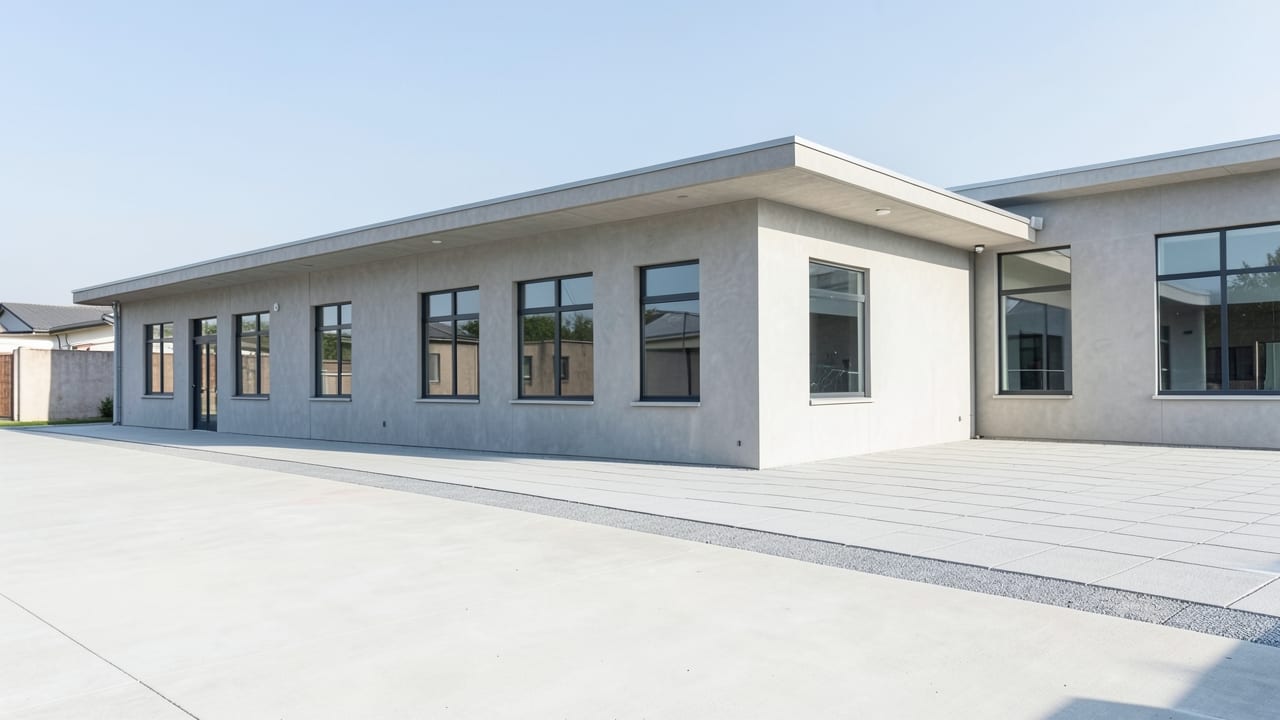
School Building Washing in Pearland, TX
High-pressure cleaning of school building exteriors to remove dirt, grime, and stains.
Learn More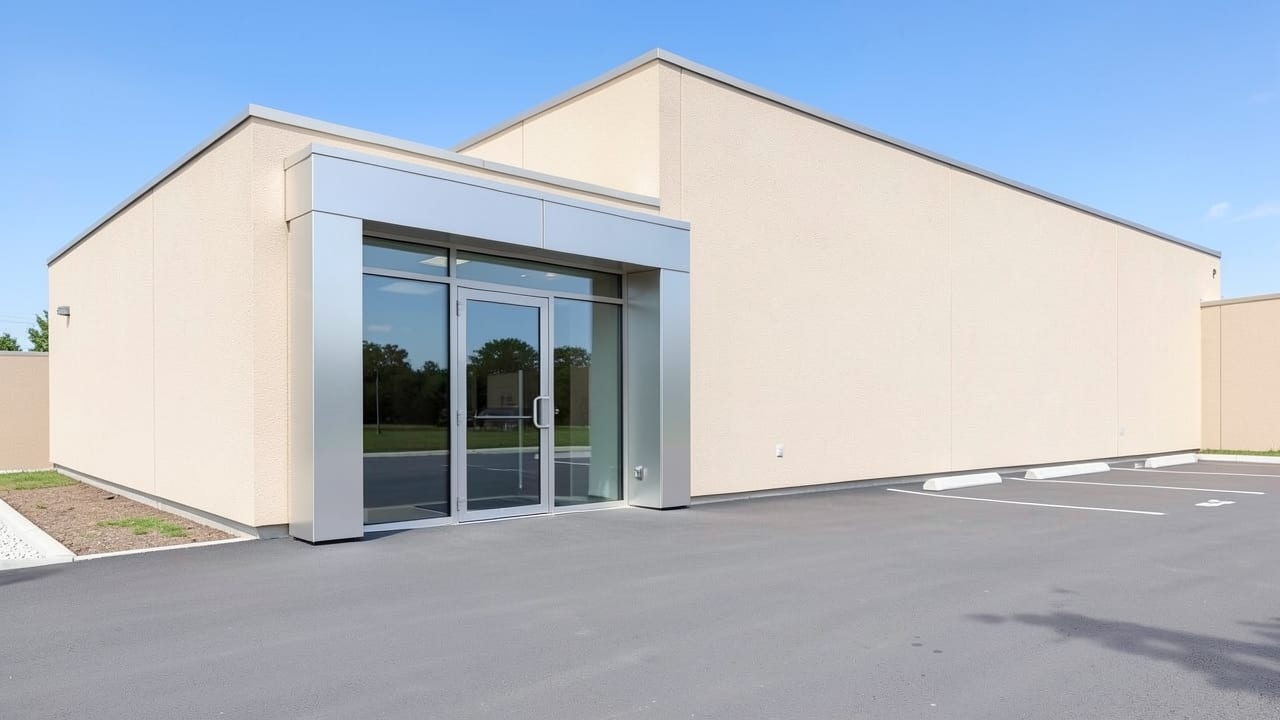
Medical Clinic Exterior Washing in Pearland, TX
High-pressure cleaning of medical clinic exteriors to remove dirt, grime, and contaminants.
Learn More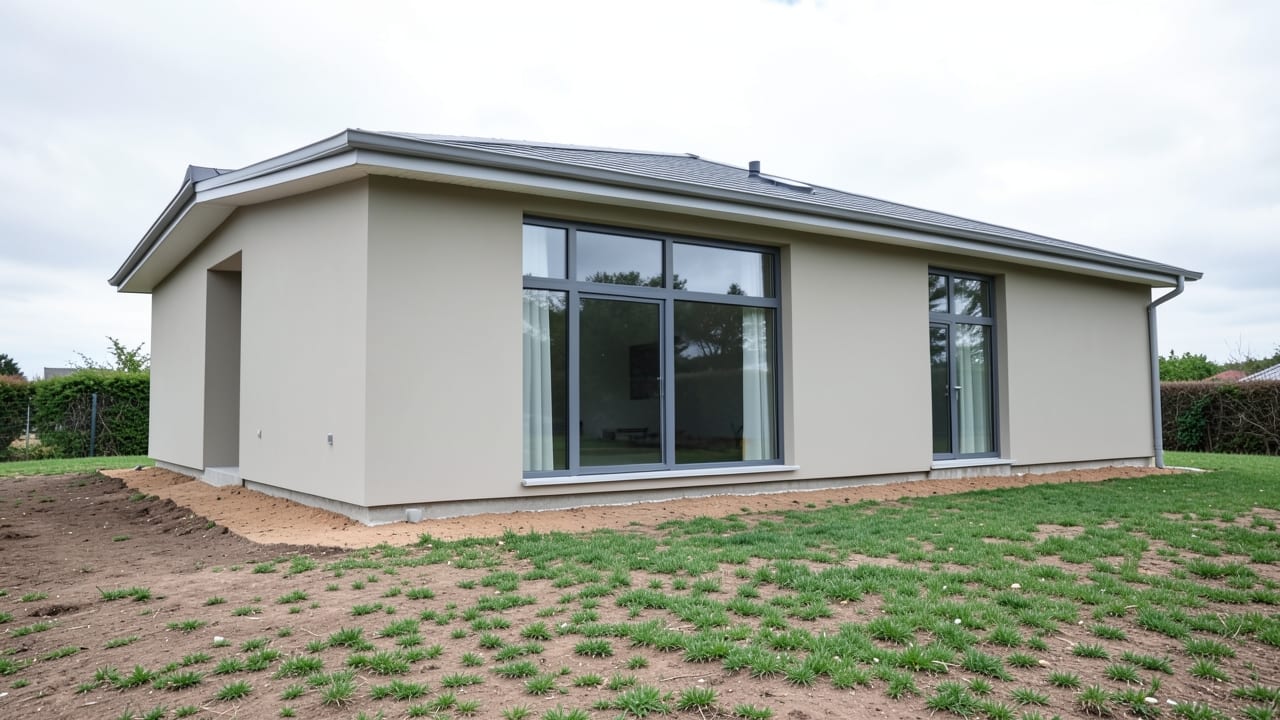
New Construction Final Clean in Pearland, TX
Thorough post-construction cleanup using pressure washing to remove debris, dust, and residue from new builds.
Learn More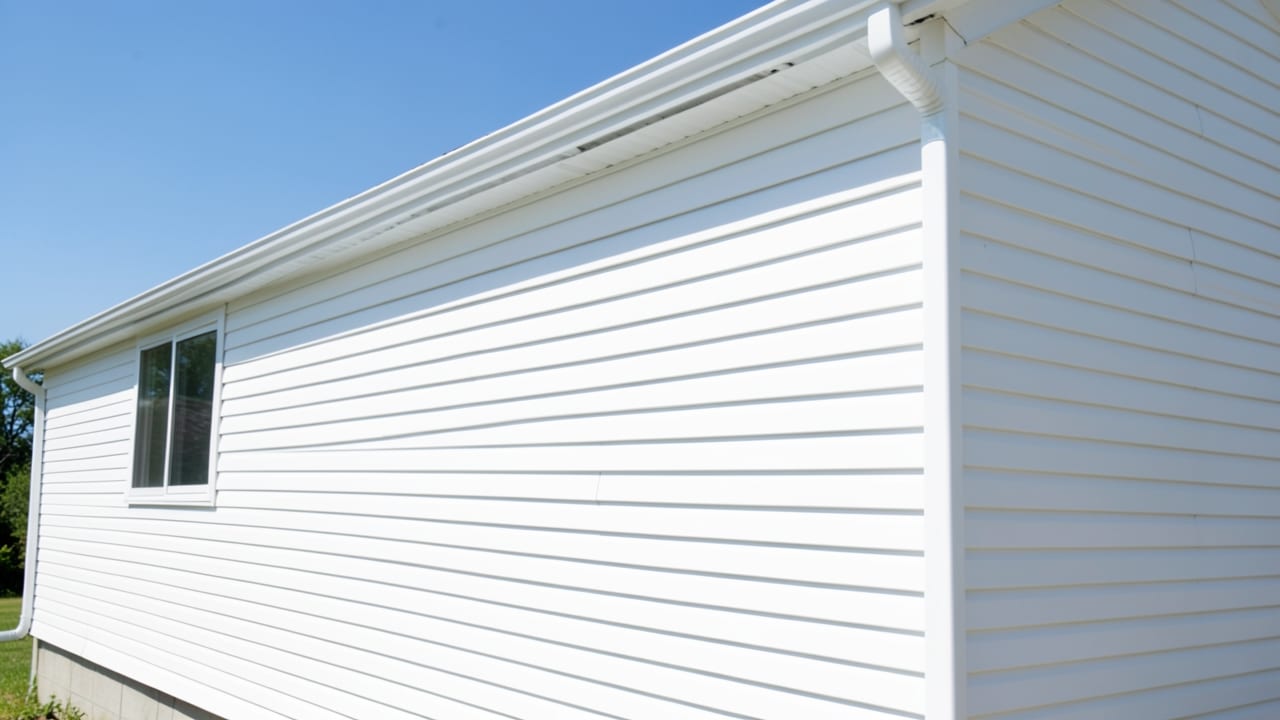
Hard Water Stain Removal in Pearland, TX
Pressure washing to remove hard water stains from exterior surfaces.
Learn More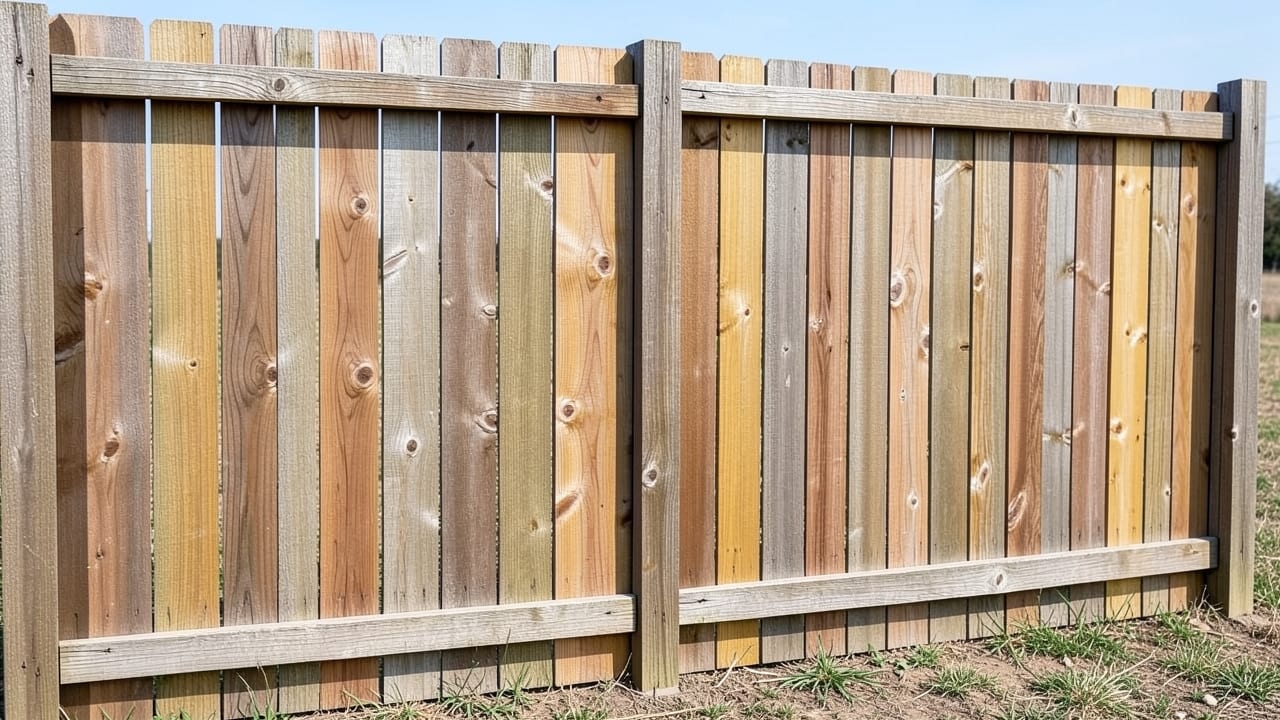
Restoration Wash in Pearland, TX
High-pressure cleaning to remove dirt, grime, and stains from exterior surfaces.
Learn More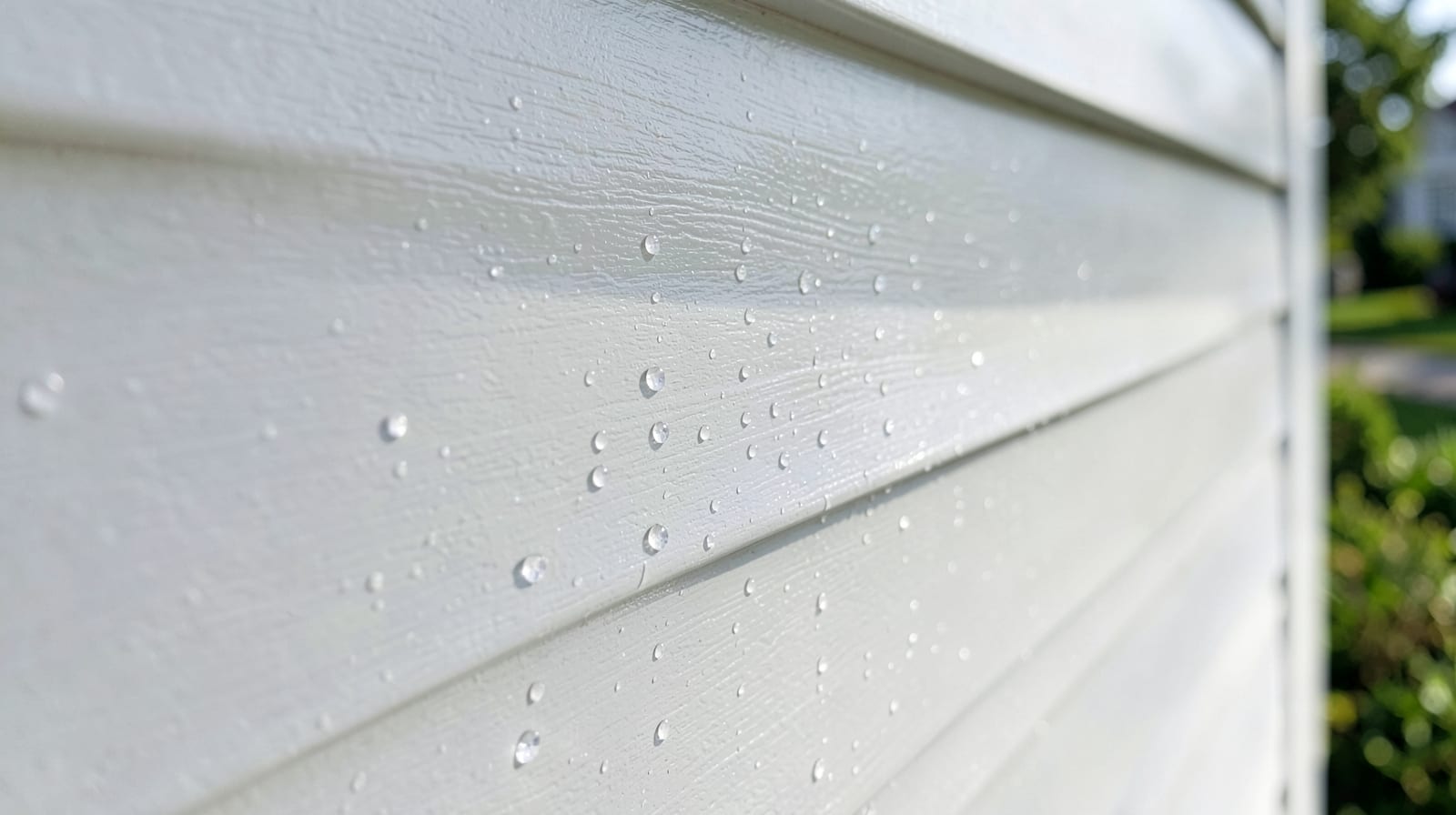
House Washing in Pearland, TX
Soft-wash exterior house washing for siding, brick, and stucco in Pearland, TX — removes dirt, algae and mildew, without damaging the surface.
Learn MoreCommon Questions About Pressure Washing in Pearland
Everything you need to know about pressure washing services in Pearland
How much does Brick Cleaning typically cost in Pearland, TX?
Why does algae and mildew growth on homes in Pearland, TX come back so quickly?
Can the wrong PSI actually damage a house or driveway?
What's the actual difference between pressure washing and soft washing?
How often should a home's exterior actually be washed?
Are the cleaning chemicals used in soft washing safe for landscaping and pets?
Need Pressure Washing in Pearland?
Get a written quote from our Pearland crew.
⏰ We answer your call • Serving all of Pearland and surrounding areas